




.avif?v=2026-09-02T11%3A33%3A31.830Z)


Summarize With AI


Key takeaways
- The global marketing automation market grew from $6.7 billion in 2024 to a projected $8.4 billion in 2026, on its way to $15.6 billion by 2030, a 15.3% CAGR, per Grand View Research.
- Sales reps spend 60% of their time on non-selling administrative work, and the average rep uses 8 different tools to close a deal, according to Salesforce's 2026 State of Sales report of 4,000-plus professionals.
- Sellers using AI sales tools are 3.7 times more likely to hit quota, and 88% of reps using sales agents report better odds of meeting targets, per the same Salesforce research.
- 86.4% of marketing teams now use AI in at least some part of their workflow, up sharply from prior years, according to HubSpot's 2026 State of Marketing report of 1,500-plus global marketers.
- 42% of sales reps feel overwhelmed by the sheer number of tools in their stack, which is the honest tension at the center of this whole topic: more automation isn't automatically more ROI.
Most guides on this topic list ten tools and call it a strategy. The actual data says something more specific: automation helps when it removes a task nobody wants to do, and it hurts when it just adds a ninth tool to the eight reps already juggle.
We360.ai works with more than 120,000 users across 10,000-plus companies in 21-plus countries, and the pattern in that data matches Salesforce's finding closely: teams with real visibility into where time actually goes automate the right things first, instead of automating whatever's easiest to buy.
What is Marketing and Sales Automation?
It's software that handles repetitive marketing and sales tasks, like sending a follow-up email, scoring a lead, or updating a CRM record, without a person doing it manually each time. The two functions get bundled together because most real workflows cross the line between them constantly.
What's the difference between marketing automation and sales automation? Marketing automation typically handles top-of-funnel work like email sequences and lead scoring, while sales automation handles what happens once a lead reaches a sales rep: CRM updates, follow-up reminders, and pipeline tracking. In practice, a single lead scoring workflow often triggers both.
The real value isn't the automation itself. It's freeing up the 60% of a sales rep's time currently going to administrative work instead of actual selling, per Salesforce's research above.
What does marketing and Sales Automation Actually look like in Practice?
In practice, it usually means a trigger, a rule, and an action running without anyone clicking a button. A lead fills out a form, crosses a scoring threshold, and gets routed to the right rep automatically. A customer abandons a cart, and a follow-up email sends itself three hours later.
On the sales side, a deal moving to a new pipeline stage can automatically log the activity, notify the account owner, and schedule a follow-up task, all without a rep manually updating three separate fields. That kind of automation directly targets the 60% administrative-time problem, since it removes exactly the manual data entry that eats a rep's day.
The honest limit: automation handles the predictable, rule-based steps well. It doesn't replace the judgment call on which lead is actually worth a rep's time, which is why 73% of B2B buyers actively avoid sellers who send irrelevant, poorly targeted outreach, according to Salesforce's same report.
What tools Actually Handle Marketing and Sales Automation Well?
The right tool depends on whether you need marketing-side automation, sales-side automation, or both connected in one system. HubSpot remains the most common starting point for smaller teams, with plans from $0 for a free tier, $7 a month per seat for Starter, up to $800 a month for Professional and $3,600 a month for Enterprise, covering both marketing and CRM functions in one platform.
Salesforce handles the sales-automation side for larger, more complex sales orgs, particularly once a team needs the kind of AI sales agents its own 2026 report highlights, tools that created 3,200 sales opportunities in four months in Salesforce's internal SDR agent deployment. Marketo and ActiveCampaign remain common choices for marketing-heavy teams that need deeper email and lead-scoring workflows than a general CRM provides out of the box.
- Choose HubSpot if you want marketing and CRM automation in one place without stitching tools together.
- Choose Salesforce if your sales org is large enough to need dedicated AI sales agents and complex pipeline automation.
- Choose Marketo or ActiveCampaign if your marketing team needs deeper email and scoring workflows than your CRM's built-in automation covers.
[Image: A simple decision flowchart for choosing HubSpot, Salesforce, or a dedicated marketing automation tool based on team size and need - alt='decision flowchart for choosing an automation tool by team size']
What's the Real ROI data Behind Marketing and Sales Automation?
The real ROI data shows a market growing fast and results that follow, not just vendor hype. The marketing automation market itself grew from $6.7 billion in 2024 to a projected $8.4 billion in 2026, heading toward $15.6 billion by 2030, a 15.3% compound annual growth rate, per Grand View Research.
On the sales side, sellers using AI-powered automation tools are 3.7 times more likely to hit quota, and 88% of reps using sales agents report better odds of meeting their targets, according to Salesforce's 2026 State of Sales report. On the marketing side, 86.4% of marketing teams now use AI in at least some part of their workflow, and 26.5% report a significant productivity increase from it, per HubSpot's 2026 State of Marketing report.
That growth is real, but it's concentrated in teams that automate the right layer first: the manual, repetitive work, not the strategic judgment calls that still need a person.
Where does Marketing and Sales Automation Actually go Wrong?
It goes wrong most often when a team adds tools faster than it removes manual work, ending up with more software and the same administrative burden. The average sales rep already uses 8 separate tools to close a single deal, and 42% say they feel overwhelmed by that number, per Salesforce's research.
Tool sprawl compounds a second problem: data quality. 84% of data leaders agree that AI output quality depends directly on the data feeding it, and 70% believe valuable insight is still trapped in unstructured data nobody's automation actually reaches. Automating on top of messy, disconnected data just produces faster, more confident wrong answers.
Our guide on unlocking the power of customer data and CRM insights covers that data-quality foundation directly, since automation without clean underlying data tends to accelerate the wrong output rather than fix it.
How do You Actually Streamline instead of Just Adding More Tools?
Streamlining means removing a manual step before adding a new tool, not layering automation on top of an already crowded stack. Start by mapping which of your current 8-or-so tools actually overlap, since most teams find at least one redundant subscription once they look closely.
- Audit your current stack first. List every tool touching a lead or deal, and flag anything doing a job another tool already covers.
- Automate the highest-friction manual task, usually CRM data entry, before adding a new marketing feature nobody asked for.
- Pick one platform to be the source of truth for lead and deal data, so automation across tools doesn't create conflicting records.
- Measure time saved, not just features shipped. A tool that saves zero admin hours isn't streamlining anything, regardless of what it automates.
Our related piece on AI tools at work covers a similar principle for AI adoption broadly: fewer, well-chosen tools tend to outperform a wide, overlapping stack.
Want to see whether your team's actual tool usage matches what your automation stack assumes? Start a free trial to check real application usage patterns this week, or book a demo to walk through it with us directly.
What's a good example of sales automation in practice? +−
A deal moving to a new pipeline stage automatically logging the activity, notifying the account owner, and scheduling a follow-up task, all without a rep manually updating multiple fields. That directly targets the 60% of time reps spend on administrative work, per Salesforce's 2026 research.
What is marketing automation? +−
Marketing automation is software that handles repetitive marketing tasks like email sequences, lead scoring, and campaign triggers without manual intervention. It typically covers the top-of-funnel work that happens before a lead reaches a sales rep directly.
What is sales and marketing automation? +−
It's software that automates repetitive marketing and sales tasks, like lead scoring, follow-up emails, and CRM updates, so reps and marketers spend less time on manual data entry. The market for it grew to a projected $8.4 billion in 2026, per Grand View Research
Which tool is best for automating marketing and sales work? +−
HubSpot suits smaller teams wanting marketing and CRM automation in one platform, starting free and scaling to $3,600 a month for Enterprise. Salesforce suits larger sales orgs needing dedicated AI sales agents, while Market oand Active Campaign suit marketing-heavy teams needing deeper email workflows.
Related Posts
Explore the 12 best automation tools for teams in 2026, from open-source platforms to AI-powered workflow builders. Compare pricing, features, and use cases to find the right automation tool for your team.
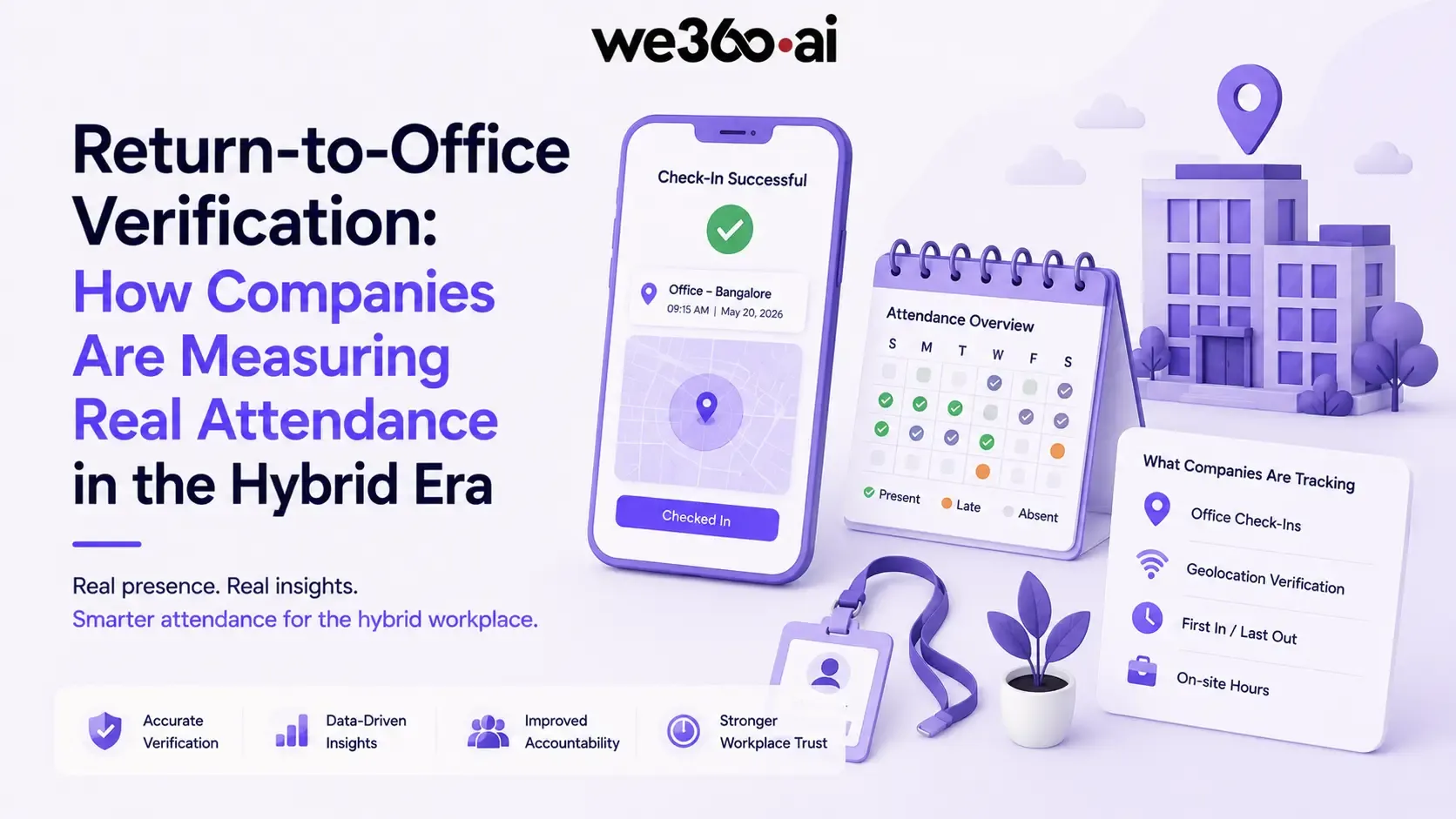
Employee attendance tracking is evolving with flexible and remote work. Explore modern tools and simple ways to track hours, productivity, and attendance transparently.

AI in performance management, explained with real 2025 Gartner and Mercer survey data, the named tools actually being used (Betterworks, Lattice, Culture Amp), and an honest read on how far off the hype the current adoption numbers really are.
What causes low productivity almost never comes down to one thing. Real Gallup, Microsoft, and Asana data on the actual drivers, from disengagement to meeting overload, and a five-step framework for fixing the ones on your team.