








Summarize With AI


Employee engagement is the reason two teams with the same headcount and the same targets can post wildly different results. One team shows up, speaks up, and sticks around. The other quietly checks out, then leaves. We360.ai works with more than 120,000 users across companies worldwide, and the same pattern shows up in account after account: engagement problems surface in the data months before they show up in an exit interview. This guide breaks down what employee engagement actually means, what drives it, how to measure it, and which strategies are worth your time this year.
Employee Engagement: What It Is and Why It Drives Retention
Employee engagement is the emotional and behavioral connection an employee feels toward their work, their team, and the company's goals. It shows up as effort, initiative, and staying power, not just clocking in on time.
Engagement isn't satisfaction. A satisfied employee might still coast through the day. An engaged one pushes. Wikipedia describes it as the level of enthusiasm and involvement an employee brings to their work and workplace, and that involvement is what separates a team that hits its targets from one that just shows up.
Why does this matter so much? Retention. Disengaged employees are the ones most likely to be job hunting right now, quietly or not. Replacing them costs real money in recruiting, onboarding, and lost productivity while the role sits empty.
What drives employee engagement in the workplace?
Four things drive engagement in the workplace: recognition, honest communication, fair workload, and room to grow. Remove any one of them and engagement erodes fast, even if the paycheck stays exactly the same.
- Recognition. People who get regular, specific recognition stay longer and put in more effort. Generic praise doesn't land the same way as naming the actual thing someone did well.
- Transparent communication. This runs both directions. Employees need to hear what's happening with the business, and managers need to actually listen when someone raises a concern instead of just nodding through it.
- Workload balance. Constant overload burns people out fast, and burnout is one of the biggest engagement killers there is.
- Growth and development. Employees who see a path forward, new skills, a promotion, a stretch project, stay engaged longer than those stuck doing the same task on repeat.
Team-level dynamics matter here too. A team with strong internal trust engages differently than one running on friction, which is why team dynamics at the workplace deserves its own look if engagement is dropping in one specific group rather than company-wide. Psychological safety plays into this directly. If people don't feel safe speaking up, engagement stalls no matter how good your recognition program is.
How do you measure employee engagement?
You measure employee engagement with three core numbers: eNPS, absenteeism rate, and retention rate. None of them tells the whole story alone, but together they turn a gut feeling into a trend line you can act on.
What is eNPS?
eNPS, or Employee Net Promoter Score, comes from one survey question: "On a scale of 0 to 10, how likely are you to recommend this company as a place to work?" Employees scoring 9 or 10 are promoters, 7 or 8 are passives, and 0 through 6 are detractors. eNPS equals the percentage of promoters minus the percentage of detractors.
Asenteeism rate tells you when something's off before people say it out loud:
Absenteeism rate = (total absent days per employee) / (total working days) × 100
Retention rate tells you whether your engagement work is actually holding people:
Retention rate = (total employees − employees who left) / total employees × 100
Running employee engagement surveys or staff engagement surveys on a set cadence, not just once a year, is what gives these numbers meaning over time.
What are the best employee engagement strategies to try?
The best employee engagement strategies combine recognition, clear expectations, and real investment in people's growth, not a single perk or a one-off event. Strategies that stick tend to share a few traits:
- Empower people to make real decisions in their own work, not just execute someone else's plan.
- Recognize good work publicly and specifically, across teams and locations, not just in private.
- Keep onboarding and offboarding smooth. A rough first month or a messy exit both damage engagement, including the engagement of everyone watching.
- Invest in learning. Soft-skill programs, career coaching, and clear upskilling paths keep people from stalling out.
- Tie pay growth to real performance so employees see a direct line between effort and reward.
There are different types of employee engagement initiatives worth running in parallel here: some focused on individual growth, some on team culture, some purely operational (like fixing workload distribution). Running just one type tends to produce short-lived results. Companies that treat this as an ongoing staff engagement strategy, reviewed quarterly, see steadier gains than the ones that launch a program once and move on.
How does employee feedback fit into engagement?
Employee feedback is the mechanism that keeps engagement strategies honest. Without it, you're guessing at what's actually working.
There are a few distinct types worth running:
- Positive feedback , which confirms to managers and peers that specific efforts are landing.
- Constructive feedback , paired with a concrete suggestion, not just a list of what went wrong.
What is 360-degree feedback?
360-degree feedback gathers input on a person's performance from their manager, peers, and direct reports at once, rather than from a single boss. It gives a fuller picture of how someone actually shows up at work, not just how one person sees them.
Feedback on communication style and leadership style rounds this out. Both help managers see how their messages actually land, which is often different from how they intended them.
What's the real ROI of employee engagement?
The ROI on employee engagement shows up directly in profit and revenue, not just in softer measures like morale. Highly engaged teams show 21% greater profitability than teams in the bottom quartile of engagement, according to Gallup's research across more than 183,000 business units.
The revenue picture backs this up. Bain & Company found that companies with highly engaged workers grew revenue 2.5 times faster over seven years than companies with low engagement. That's not a rounding error. It's the difference between a business that compounds and one that stalls.
None of this is one-size-fits-all. ROI varies by role, by industry, and by which metric you're weighing against turnover cost. But the direction of the effect holds up across every serious study on the topic.
Real-time workforce data changes how fast you can act on all of this. Instead of waiting for an annual survey to flag a problem, dashboards that surface workload imbalance, idle time, or dips in activity let managers step in while there's still something to fix.
Ready to see where your own teams stand? Start Free Trial and get a real look at engagement signals in your own workforce data, not just a survey once a year.
Frequently Asked Questions
What are the 5 C's of employee engagement? +−
The 5 C's are commonly listed as care, connect, coach, contribute, and congratulate. They describe a manager's role in engagement: showing genuine care, building real connection, coaching rather than just directing, giving people meaningful work to contribute to, and recognizing wins along the way.
What's the difference between employee engagement and employee satisfaction? +−
Satisfaction measures whether someone is content with their job. Engagement measures whether they're emotionally invested enough to go beyond the minimum. A satisfied employee can still be disengaged, showing up without pushing for more.
What are the top drivers of employee engagement? +−
Recognition, transparent communication, fair workload, and room to grow consistently rank as the top drivers across workplace research. Remove any one of them and engagement tends to drop, even when pay stays the same.
How is eNPS different from a full engagement survey? +−
eNPS is a single question that gives you a fast directional read. A full engagement survey asks 10 or more questions across different drivers, giving you more detail on exactly where the problem sits. Most teams run eNPS often and a full survey a few times a year.
Can employee engagement be measured without an annual survey? +−
Yes. Absenteeism rate, retention rate, and workforce activity data all give you engagement signals between formal surveys. Combining passive data with even a short quarterly pulse survey catches issues an annual-only approach misses.
Related Posts
Looking for a Reddit alternative in 2026? Explore 12 platforms for online discussions, niche communities, tech forums, real-time conversations, and local groups. Find the right platform based on your interests and community needs.
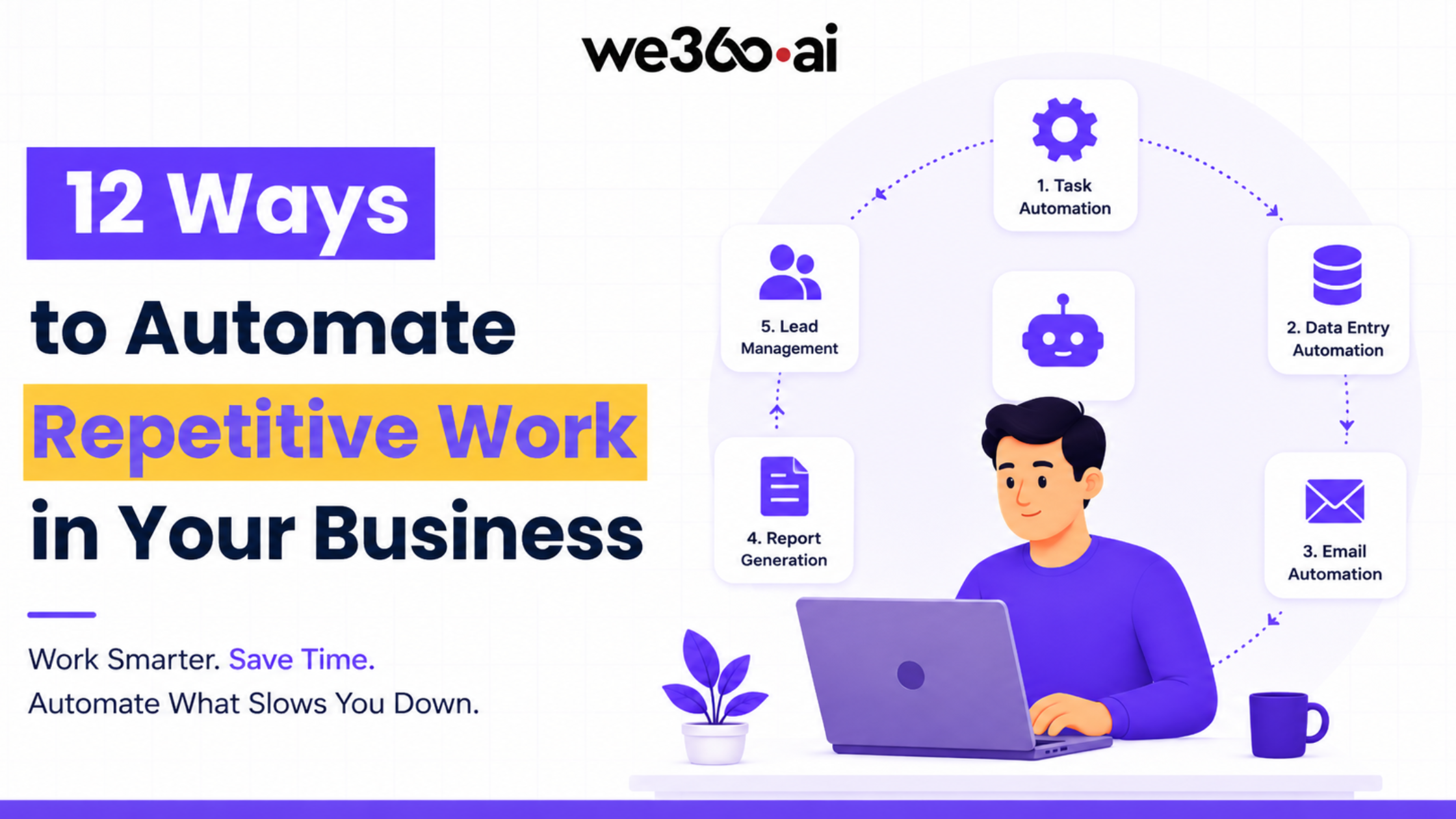
Learn how to automate repetitive work, save time, reduce errors, and help your team focus on higher-value tasks. Explore 12 practical ways to automate everyday business processes.

Learn what an Employee 360 is, how it brings workforce data together, and how HR teams can use it to improve employee performance, engagement, and workforce decisions in 2026.
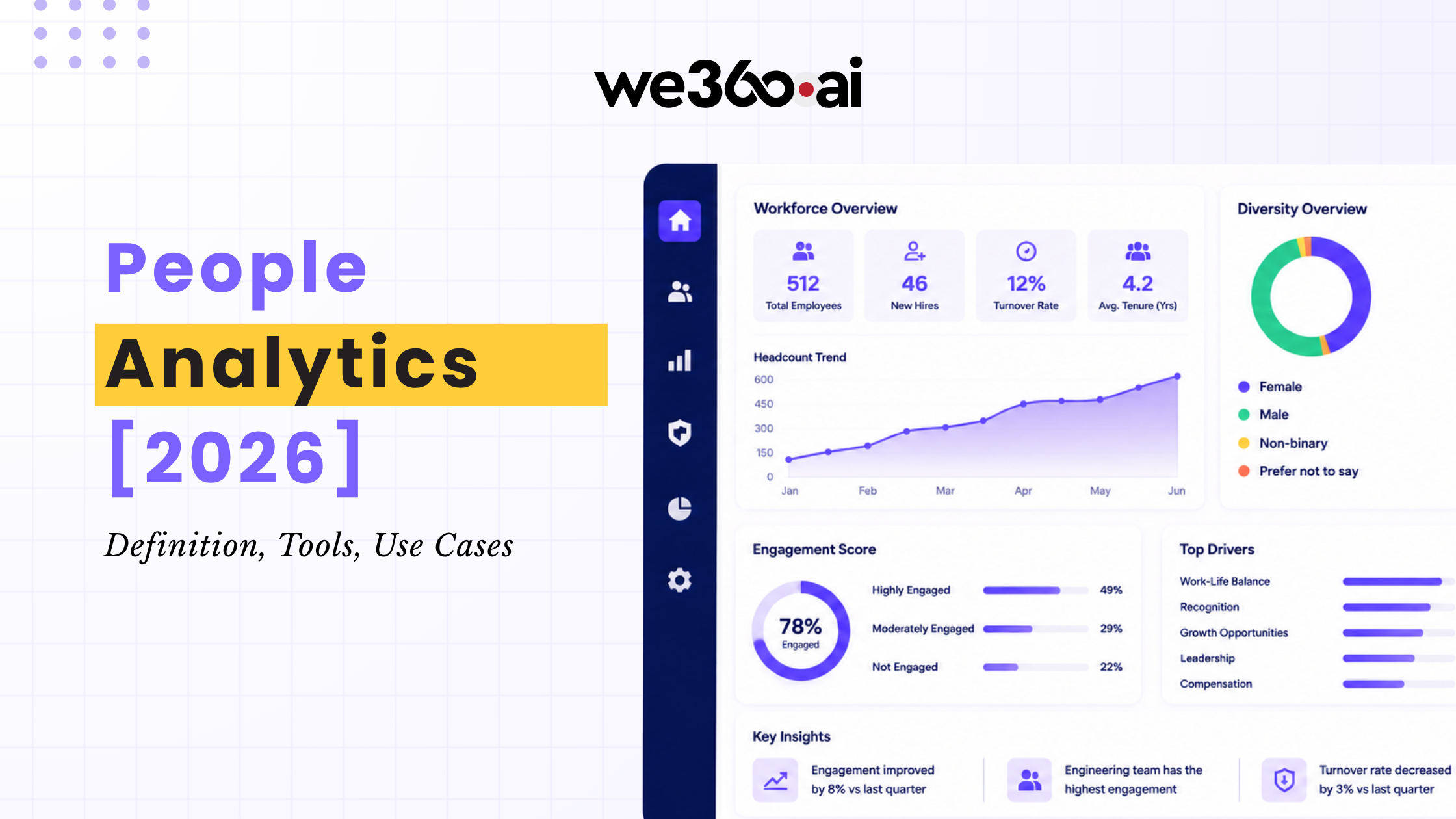
Learn what people analytics is, why it matters in 2026, and how businesses can use workforce data, tools, and insights to make better HR decisions.