
In the complex world of business, leaders are constantly striving for clarity. We make strategic decisions, allocate resources, and set ambitious goals, often relying on a blend of experience, intuition, and historical data. But what if you could move beyond educated guesses and truly see what’s happening within your organization, right now? The gap between what we think is happening and what is happening can be vast, leading to missed opportunities, inefficient operations, and a reactive management style. For CEOs, CXOs, and HR leaders, this uncertainty is a significant hurdle to sustainable growth and peak performance.
This blog post will explore the transformative power of real-time, intuitive dashboards in workforce intelligence. We’ll delve into how these tools provide an immediate, crystal-clear picture of your operations, empowering you to make proactive, data-driven decisions. You’ll learn how to eliminate guesswork, optimize every aspect of your workforce, and foster a culture of transparency and efficiency that drives tangible results.
The Cost of Uncertainty: Why Guesswork Hinders Growth
Operating without real-time visibility is like navigating a ship with an outdated map. You might eventually reach your destination, but the journey will be fraught with unnecessary delays, detours, and potential hazards. In the modern business landscape, relying on intuition alone, or even on yesterday’s reports, carries significant costs:
1. Delayed Insights, Missed Opportunities
Traditional reporting cycles—weekly, monthly, quarterly—mean that by the time you receive data, the situation it describes has already changed. A project might be off track, a team might be struggling, or a critical resource might be underutilized, but you won’t know until it’s too late to make a timely intervention. This reactive approach can lead to cascading problems, from missed deadlines and budget overruns to a decline in employee morale. The ability to identify and address issues as they emerge is a non-negotiable for competitive advantage in 2026.
2. Inefficient Resource Allocation: The Silent Drain on Profits
Without a clear, up-to-the-minute understanding of how your workforce is engaged, resource allocation often becomes a process of trial and error. Are your most skilled employees spending their time on high-value tasks, or are they bogged down in administrative overhead? Are some departments consistently overstaffed while others are stretched thin? This lack of clarity leads to suboptimal deployment of your most valuable asset—your people—resulting in wasted effort, increased costs, and a significant drag on overall productivity. Guesswork in resource management directly impacts your bottom line.
3. Disconnected Leadership: Losing Touch with the Operational Pulse
As organizations grow, leaders can become increasingly disconnected from the day-to-day realities of their operations. This isn't a failure of leadership, but often a systemic issue where critical information is filtered, delayed, or presented in a way that lacks immediate context. Without a direct, unfiltered view of operational activities, strategic decisions can be made in a vacuum, leading to initiatives that don't align with ground-level realities or fail to address the most pressing challenges. Effective leadership in 2026 demands a direct line to operational truth.
The Clarity Advantage - How Real-Time Dashboards Transform Operations
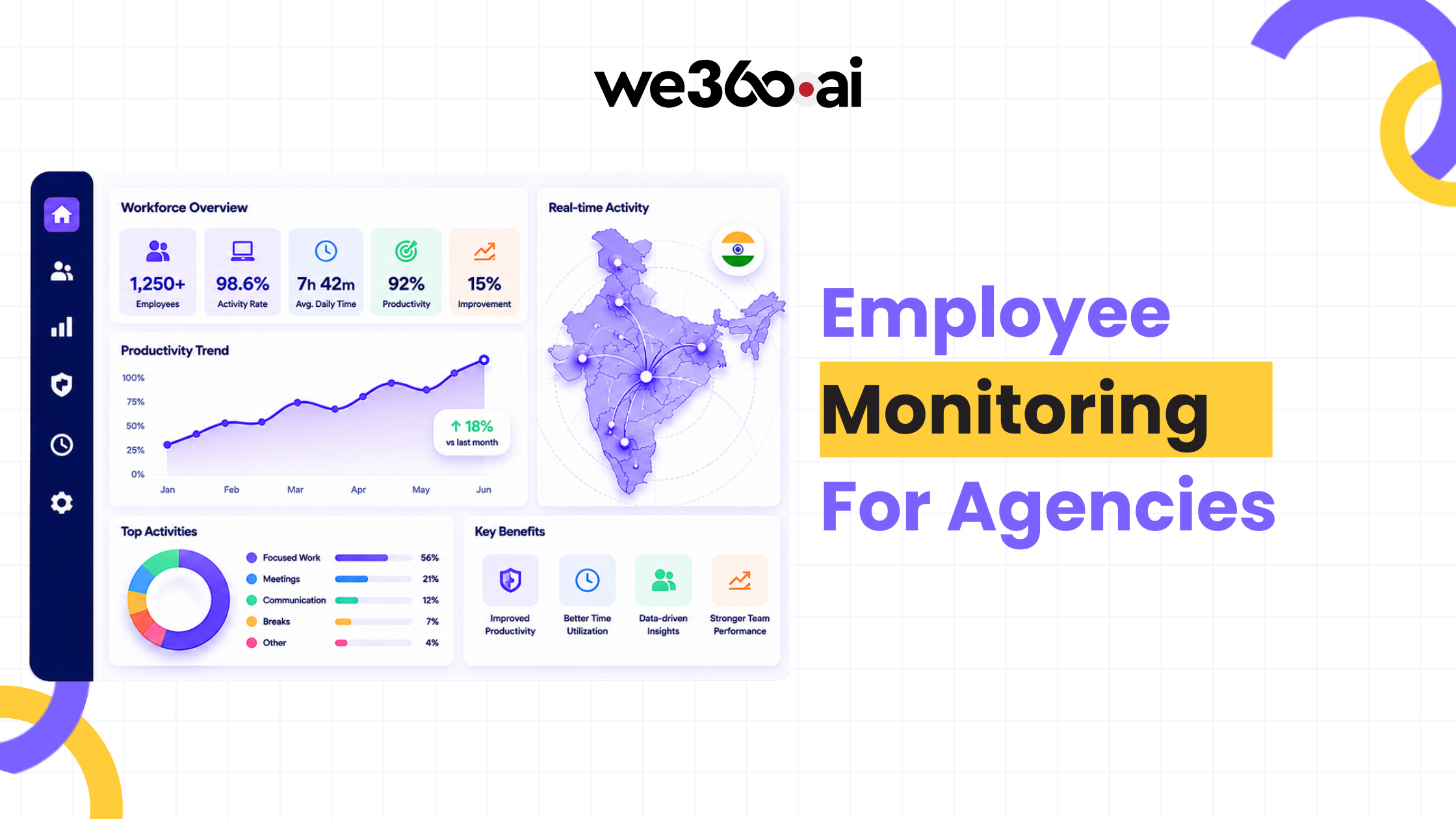
Modern workforce intelligence platforms are designed to bridge this gap, providing leaders with dynamic, intuitive dashboards that offer unparalleled clarity. These aren't just static reports; they are living, breathing representations of your organization's operational health.
1. Instant, Actionable Insights: The Power of the Present Moment
Imagine logging in and immediately seeing:
- Live Project Progress: Not just a percentage complete, but a real-time view of activity across tasks, identifying potential delays before they become critical.
- Team Workload Distribution: A visual representation of who is working on what, highlighting potential bottlenecks or opportunities for load balancing.
- Application Usage Trends: Which tools are actively being used, and how effectively? This informs software investment decisions and training needs.
- This immediate access to actionable insights empowers leaders to pivot strategies, reallocate resources, and address challenges proactively. It transforms decision-making from a retrospective analysis into a dynamic, forward-looking process.
2. Strategic Resource Optimization: Maximizing Every Investment
With real-time dashboards, resource optimization moves from guesswork to precision. You can:
- Identify Overload and Underutilization: Quickly spot teams or individuals who are consistently over capacity, allowing for timely intervention to prevent burnout or reallocate tasks.
- Align Talent with Priorities: Ensure your most skilled employees are focused on the highest-impact initiatives, maximizing their contribution to strategic goals.
- Optimize Software Spend: By seeing actual application usage, you can make informed decisions about software licenses, ensuring you're only paying for what's truly being utilized.
This level of insight ensures that every dollar invested in your workforce and technology is yielding maximum return, driving efficiency and profitability.
3. Fostering a Culture of Transparency and Accountability
Real-time dashboards, when implemented with transparency and a focus on aggregate data, can foster a culture of shared understanding and accountability. When teams can see their collective progress, understand their impact, and identify areas for improvement, it empowers them to take greater ownership of their work. This leads to:
- Enhanced Team Collaboration: A shared understanding of operational status facilitates better coordination and problem-solving.
- Fairer Performance Discussions: Objective data provides a neutral basis for performance conversations, focusing on measurable contributions and areas for development.
- Employee Empowerment: When employees have access to their own (non-intrusive) productivity data, they can self-monitor and optimize their work habits, contributing to a more engaged and productive workforce.
By making operations crystal clear, you build trust and empower everyone to contribute to the organization's success.
The Future of Operations is Clear
In 2026, relying on guesses or outdated information is a luxury no business can afford. Real-time operational dashboards are not just a technological advancement; they are a fundamental shift in how leaders understand and manage their organizations. By providing immediate, crystal-clear insights into every facet of your workforce, these tools empower you to make smarter decisions, optimize resources, and foster a culture of transparency and efficiency. The future of work is about clarity, and with the right tools, your operations can be more transparent, more productive, and more profitable than ever before.