
The shift to remote and hybrid work has reshaped how companies manage performance, productivity, and collaboration.
While employees enjoy flexibility, organizations often face challenges in ensuring accountability. There is a lack of balance in workloads, falling into the trap of constant micromanagement. Striking the right balance between trust and transparency has become the cornerstone of effective remote team management.
That’s where remote employee monitoring comes in. Not as a tool for surveillance, but as a strategic approach to measure performance. Used the right way, monitoring helps companies understand how teams actually work, identify productivity patterns, and support employees in achieving better results.
Monitoring remote employee solutions goes far beyond tracking activity. They provide real-time insights, highlight performance trends, and reveal opportunities for improvement.
The pivotal question is:
What is Remote Work Monitoring?
Remote work monitoring is surveillance over work staff while they are working from home. Since COVID-19, organizations face productivity issues in task management and team collaboration.
Without an employee monitoring solution, 82% of employees use their smartphones. 55% of employees feel smartphones are productivity killers. However, employees who use employee monitoring solutions while working remotely are 47% more productive.
An employee monitoring solution tracks:
Work hours
Time tracking software allows employees to track their work hours throughout the day, week or month. The tool compiles and standardizes this data, providing insights into their performance. Key time-tracking elements are time tracking, timesheets, and time-tracking software.
App and website usage
Understand how apps are used during work hours. Surface time drains; optimize tool usage and boost productivity. With granularity, assess which employee used which software or website and how much time they invested in it. Understand time drains like WhatsApp or YouTube and have full transparency into digital granularity and behavior.
Task time
Track working hours for a specific task to enable employees to see their own time and make up missed hours. You can also manage your remote team’s tasks and organize your workspace. Time tracking software tracks and manages your employees' time and tasks.
Productivity trends
Get an in-depth view into how your teams actually work to uncover what truly drives productivity. Determine which tools enable focused work, identify the categories that consume most of your team’s time (such as collaboration, project management, or CRM), and gain clear insights into overall team productivity patterns.
Why Companies Monitor Remote Employees
Improve productivity
When employees work remotely, they face several bottlenecks. If you are cognizant of these employees’ impediments, you can take strategic steps to help them. Consequently, you can improve your remote employees’ productivity by providing guidance where they need it.
Ensure accountability
As remote work has become the new norm, many organizations are turning to remote employee monitoring tools to enhance operations. When remote workers know they are being tracked, they become more accountable and productive. This sense of responsibility propels employees to take ownership of their tasks, benefiting organizations.
Identify performance gaps
Without direct oversight, it becomes harder to spot inefficiencies; you can roll out a remote employee monitoring solution in your strategy. Track task completion rates, time spent on tools, and engagement levels for your organization to uncover where employees may be struggling. These gaps could stem from unclear expectations, lack of resources, skill mismatches, or even burnout.
Reduce distractions
Employee monitoring solutions not only track your time but also guide you towards productivity. They reduce distractions, such as browsing unproductive sites or applications, and avoid using smartphones too much. Limited distractions help you stay focused and enhance your productivity levels.
Maintain operational efficiency
Companies monitor remote employees to secure sensitive data and identify bottlenecks. Tracking how employees are performing helps you gauge where they are struggling and extend support. With remote work, sensitive data and intellectual property are more exposed to potential breaches. Monitoring remote employees helps businesses detect vulnerabilities early and take proactive measures to safeguard critical information.
Ways Companies Monitor Remote Workers
Remote Workforce Monitoring Software
You can seamlessly monitor your remote employees with workforce analytics tools. Assess where your employees are most productive, i.e., at home, in-office, or in hybrid settings. Get an insight into what applications or websites they are visiting, which employee is most productive in a remote setting, and which employee needs support.
Time Tracking Tools
Understand how the remote employees structure their day and when they are not in the office. You can see time spent on tasks, projects, and meetings, as well as distractions. This is not intended for micromanagement, but rather to gain insight into employees’ schedules and distribute workload accordingly.
Schedule Adherence Tracking
Distributed teams need more than basic tracking. They require visibility across time zones, devices, and diverse work styles. A digital remote employee monitoring tool enables flexible schedules, mobile access, and seamless asynchronous collaboration.
With features such as location-based productivity insights and automatic focus-time tracking, you gain a clear understanding of your progress. This is without needing everyone to be online or in the same place. If your team operates globally, your monitoring solution should be built to support that scale and flexibility.
Hybrid Work Monitoring
An Accenture survey of 9,000 workers found that 83% preferred hybrid work. Also, 90% of employers are contemplating offering a hybrid model in the future. The traditional idea of being confined within office walls is no longer relevant. Work has evolved into a flexible ecosystem. Employees now operate from home, coworking spaces, the office, or anywhere they feel most productive.
Employee Feedback and Coaching Tools
Employees have visibility into their own metrics, and feedback is grounded in data rather than assumptions. This level of transparency builds trust and confidence rather than anxiety.
When teams replace scattered signals with shared clarity, remote work shifts from being a challenge to a strategic advantage. That’s what sets high-performing teams apart from those operating under stress and low trust, without clear direction.
Key Features to Look for in Remote Employee Monitoring Tools

Productivity Metrics
Employee metrics to be measured in a remote employee monitoring solution are:
- Total hours worked
- Active vs. idle time
- Login/logout patterns
- Time spent on specific tasks or projects
- Time spent on work-related vs. non-work-related apps
- Most-used tools and platforms
- Tool efficiency and adoption rates
- Overall productivity score (based on predefined benchmarks)
- Daily, weekly, and monthly performance trends
- Individual vs. team productivity comparisons
Real-Time Insights
With real-time insight, get info on who is currently active, idle, or offline; monitor workflow in real time; and get a snapshot of team availability across time zones. Track which tools and platforms are being used in the moment and detect distractions or non-work-related activity instantly
Employee Dashboards
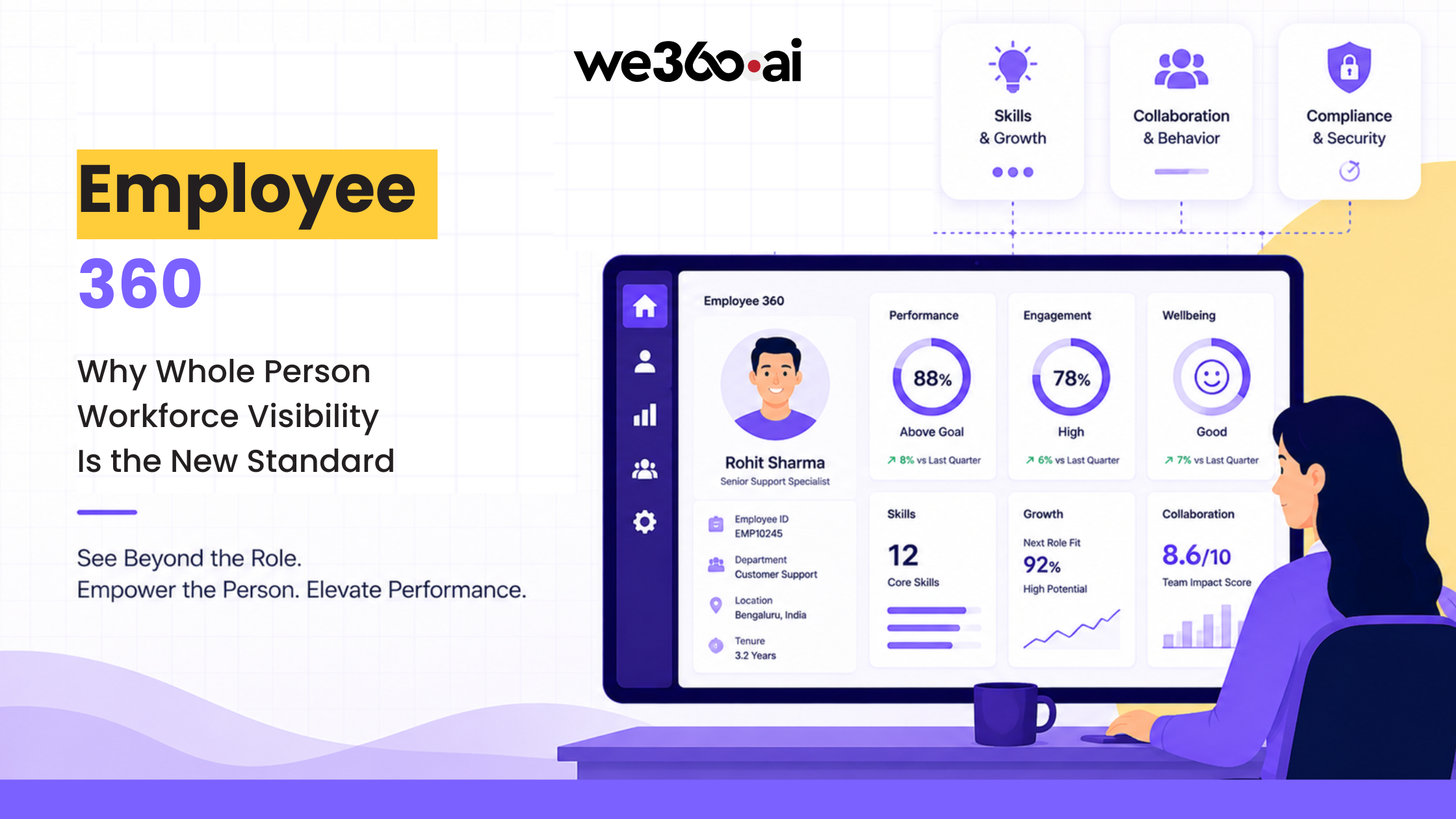
Employee dashboards provide detailed, data-rich insights that help track performance, behavior, and productivity at both individual and team levels. These dashboards typically include:
- Total hours worked (daily/weekly/monthly)
- Active time vs. idle time (in hours and percentage)
- Productivity score based on predefined benchmarks
- Focus time (uninterrupted work duration)
- Number of tasks completed vs. assigned
- Deadline adherence rate (on-time vs. delayed tasks)
- App and website usage (time spent per tool)
- Productive vs. non-productive activity ratio
Privacy-Focused Monitoring
Privacy-focused monitoring prioritizes transparency, consent, and ethical data usage while still providing meaningful productivity insights. Instead of invasive tracking, it emphasizes aggregated, non-intrusive data that respects employee boundaries.
- Activity data (active vs. idle time) without recording keystrokes or screen content.
- Aggregated productivity scores instead of minute-by-minute surveillance;
- App and website usage categorized (productive vs. non-productive) without capturing sensitive inputs.
- Anonymized or team-level insights to reduce individual scrutiny.
Scalable System
A scalable system in remote employee monitoring is designed to handle growth—whether it’s more employees, devices, locations, or data
- Support for an increasing number of users (from small teams to enterprise-level workforce)
- Multi-location and multi-time zone data tracking
- Cross-device monitoring (laptops, desktops, mobile devices)
- High-volume data processing (activity logs, usage data, performance metrics)
- Real-time data synchronization across distributed teams
How We360.ai Helps Monitor Remote Employees Effectively
Track Work From Home Productivity
We360.ai tracks what you're doing on your computer in real time. How much time you spend on apps and websites, what time you spend doing nothing, and how far along you are on your tasks. It employs a desktop agent to track how many times you type, click, and go online or offline. Administrators can view live snapshots, generate detailed performance reports, and use wellness insights to manage workloads. Data is encrypted and works with Windows, Mac, and Linux.
Get Real-Time Workforce Insights
Real-time workforce insights in We360.ai provide instant, actionable visibility into how your teams work. It measures:
- Live workforce dashboards with organization-wide visibility
- Real-time tracking of employee activity, work hours, and engagement
- Instant view of productivity trends, performance metrics, and task progress
- Active vs. idle status monitoring across remote, hybrid, and in-office teams
- Application and website usage insights as work happens
Improve Accountability Without Micromanagement
Accountability requires clarity, transparency, and shared visibility. Modern workforce tools help create a culture where employees take ownership of their work without feeling watched.
It gives:
- Clear visibility into individual and team performance metrics
- Shared dashboards where employees can track their own productivity
- Goal and KPI tracking aligned with measurable outcomes
- Data-driven feedback based on actual work patterns, not assumptions
- Defined expectations around tasks, timelines, and deliverables
Optimize Remote Workforce Performance
Optimizing remote workforce performance requires more than tracking activity.
It optimizes performance effectively by:
- Tracking productivity metrics like active time, focus time, and task completion rates
- Identifying high-impact vs. low-value activities through app and tool usage data
- Monitoring real-time performance trends to address issues instantly
- Analyzing workload distribution to prevent burnout and underutilization
- Setting clear KPIs and aligning them with measurable outcomes
If you wish to monitor your employees remotely, we360.ai is your go-to tool.
Book a FREE DEMO with we360.ai today!
Monitor Your Employee Without Micromanagement
Remote work isn’t going anywhere, and neither is the need for visibility. But the future of workforce management isn’t about watching employees; it’s about understanding how work happens.
When done right, remote employee monitoring shifts from surveillance to strategy. It empowers organizations with real-time insights, helps identify performance gaps, reduces inefficiencies, and supports employees. At the same time, transparency and privacy-focused approaches ensure that trust remains at the core of every interaction.
The most successful companies are those that strike the right balance by leveraging data without losing the human element. They replace micromanagement with clarity, assumptions with insights, and pressure with accountability.
In the end, remote monitoring isn’t about control; it’s about creating a high-performance, high-trust culture where teams can thrive, no matter where they work from.